Why a Printed Car Wrap Is the Smartest Move for Vehicle Customization in Singapore
Why a Printed Car Wrap Is the Smartest Move for Vehicle Customization in Singapore
When I first started looking into car customization in Singapore, I expected to walk into a workshop and pick a colour from a swatch. Instead, I found a world where a single roll of adhesive film could turn a car into a canvas. The shift from paint to vinyl wrap has been gradual but real. Today, most car owners I meet are less interested in a factory finish and more curious about what a printed car wrap can do for their daily driver or business fleet. And that curiosity is well placed.
A printed car wrap is not just a sticker slapped on a panel. It is a digitally printed design, often produced on a high-quality vinyl substrate like 3M or Oracal, then laminated for durability. The process allows you to reproduce anything from a subtle gradient to a full photographic image. In a place like Singapore, where humidity and tropical sun test any exterior finish, the quality of the wrap matters as much as the design. That is where the material choice becomes critical.
Material Matters: 3M, Oracal, and Avery Dennison
Not all vinyl wraps perform the same. In my experience, the difference between a wrap that lasts three years and one that lasts six often comes down to the brand of adhesive film used. 3M has a strong reputation for colour stability and removability. Oracal offers a broad range of finishes and is often more budget-friendly without sacrificing too much longevity. Avery Dennison sits somewhere in between, with a good balance of conformability and durability.
When you are ordering a printed car wrap, the studio should be able to tell you which material they recommend and why. If they can't, that is a red flag. A good wrap studio in Singapore will also consider how the car is used. Is it parked outdoors daily? Does it go through an auto spa every week? Those factors affect how the vinyl wrap ages. Lamination adds a protective layer that shields the print from UV rays and minor scratches. Skipping lamination might save a few dollars, but it shortens the life of the wrap significantly.
Full Wrap vs. Partial Wrap: What Fits Your Needs
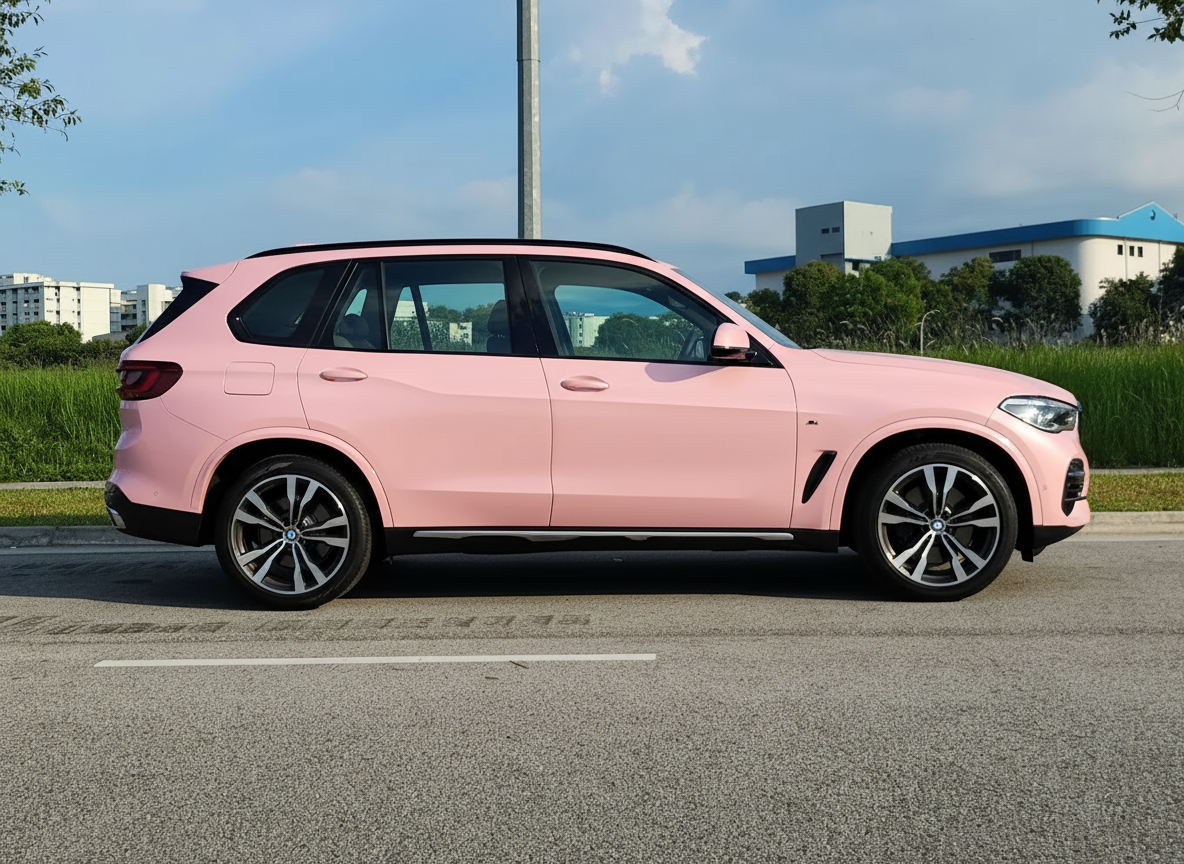
One of the first decisions you will face is whether to go for a full wrap or a partial wrap. A full wrap covers every painted surface of the car. It is the most dramatic transformation and the most expensive. A partial wrap might cover only the hood, roof, and boot, or just the sides. I have seen partial wraps used cleverly to create racing stripes, two-tone effects, or to highlight a specific contour of the car body.
For vehicle branding, a partial wrap is often enough. A company logo and contact details on the doors and rear panels can turn a car into a mobile billboard without the cost of covering every inch. For a pure color change, a full wrap gives a more cohesive look. The trade-off is cost and installation time. A full wrap on a sedan can take two to three days, while a partial wrap might be done in one. If you are in a hurry or on a budget, a partial wrap can still deliver a strong visual impact.
Matte Finish vs. Gloss Finish: The Visual Trade-Off
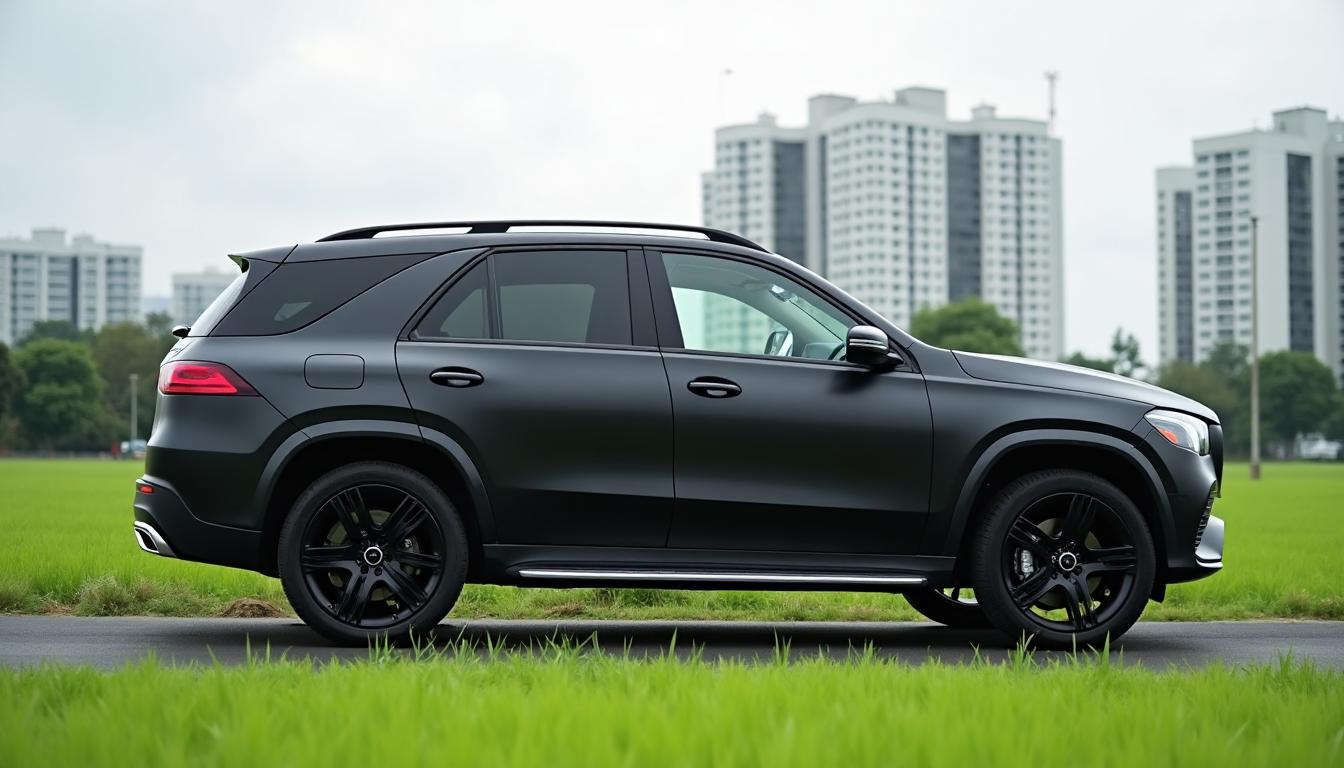
Once you have settled on the scope of the wrap, the next choice is the finish. Matte finish has become very popular in Singapore over the last few years. It gives the car a modern, understated look that hides fingerprints and minor dust well. Gloss finish, on the other hand, makes colours pop and gives a wet, shiny appearance that many associate with a fresh paint job.
I have seen matte wraps look incredible on dark colours, especially when paired with a satin lamination. But matte can be harder to keep clean over time. Dirt and oil can build up in the texture if the wrap is not maintained. Gloss is more forgiving in that regard, but it shows every swirl mark and water spot. Your choice should reflect how you use the car. If it is a weekend showpiece, gloss might be the way. If it is a daily commuter that parks under a tree, matte might save you some stress.
The Value of a Preview Tool and Free Quote
One thing that has changed the game for car wraps in Singapore is the availability of a preview tool. Instead of guessing how a design will look on your specific car model, some studios now let you upload a photo of your car and apply the wrap design digitally. Seeing the wrap on your own car, with the same angles and lighting, removes a lot of the uncertainty. I have seen customers change their mind entirely after a preview, and that is a good thing. It means the final result is closer to what they actually want.
Getting a free quote is also standard with reputable studios. The quote should break down the cost of materials, design time, and installation service. A printed car wrap involves more steps than a solid colour wrap, because the design has to be printed and laminated before installation. The quote should reflect that complexity. If a studio gives you a flat price without asking about your car model or design, be cautious. Every car has different curves, edges, and crevices that affect installation difficulty.
Installation Service: Where Skill Shows
The best vinyl wrap in the world will look terrible if the installation is poor. I have seen wraps with bubbles, lifting edges, and misaligned seams. In Singapore's heat, those small errors become big problems quickly. A professional installation service will clean the car thoroughly, often in a dust-controlled environment, and use heat guns to stretch the adhesive film around complex curves.
3M and Oracal both provide installation guidelines, but real skill comes from experience. A good installer knows when to apply more heat and when to let the material relax. They also know how to handle tricky areas like door handles, bumper vents, and the edges of panels. If you are investing in a printed car wrap, do not skimp on the installation. Ask to see past work. A reputable wrap studio will have a portfolio of completed cars, and they will be happy to show you.
Car Decals vs. Printed Wraps: Understanding the Difference
Some people use the terms car decal and printed car wrap interchangeably, but they are not the same. A car decal is usually a single colour or a small graphic, cut from a roll of vinyl and applied as a sticker. A printed car wrap involves a full design printed onto a large sheet of vinyl, then applied across multiple panels. Decals are great for logos, stripes, or small accents. A wrap is for a full transformation.
If you want a gradient, a photo, or a pattern that repeats across the car, you need a printed wrap. The printing process allows for unlimited colours and fine detail. The trade-off is cost and complexity. A decal can be installed in minutes. A printed wrap takes hours of careful alignment and heat application. For vehicle branding, many businesses start with decals and later upgrade to a full wrap once they see the impact on brand visibility.
Maintenance and Longevity
A printed car wrap can last between three and seven years, depending on the material, the quality of installation, and how the car is cared for. In Singapore, the biggest enemy is UV exposure. Parking in the shade or using a car cover extends the life of the wrap significantly. Regular washing with a mild soap and a soft cloth keeps the surface clean without damaging the lamination. Avoid automatic car washes with stiff brushes. Hand washing at an auto spa is safer.
If a section of the wrap gets damaged, it can often be replaced without redoing the whole car. A good wrap studio will keep a record of the material and colour used, so a repair matches perfectly. That is another reason to choose a studio that uses established brands like 3M, Oracal, or Avery Dennison. Their colour consistency across production batches is reliable.
Final Thoughts
Choosing a printed car wrap is not just about aesthetics. It is about understanding the material, the installation process, and the long-term care that goes into keeping that finish looking good. In Singapore, where cars are often a significant investment, a wrap offers a way to personalise without the permanence of paint. And with the right studio, the process can be surprisingly smooth.
Whether you are after a color change, vehicle branding for your business, or just a fresh look, a printed car wrap gives you options that paint cannot match. The key is to work with a wrap studio that uses quality materials, offers a preview tool, and provides a clear free quote. That combination of transparency and skill is what separates a great result from a disappointing one.